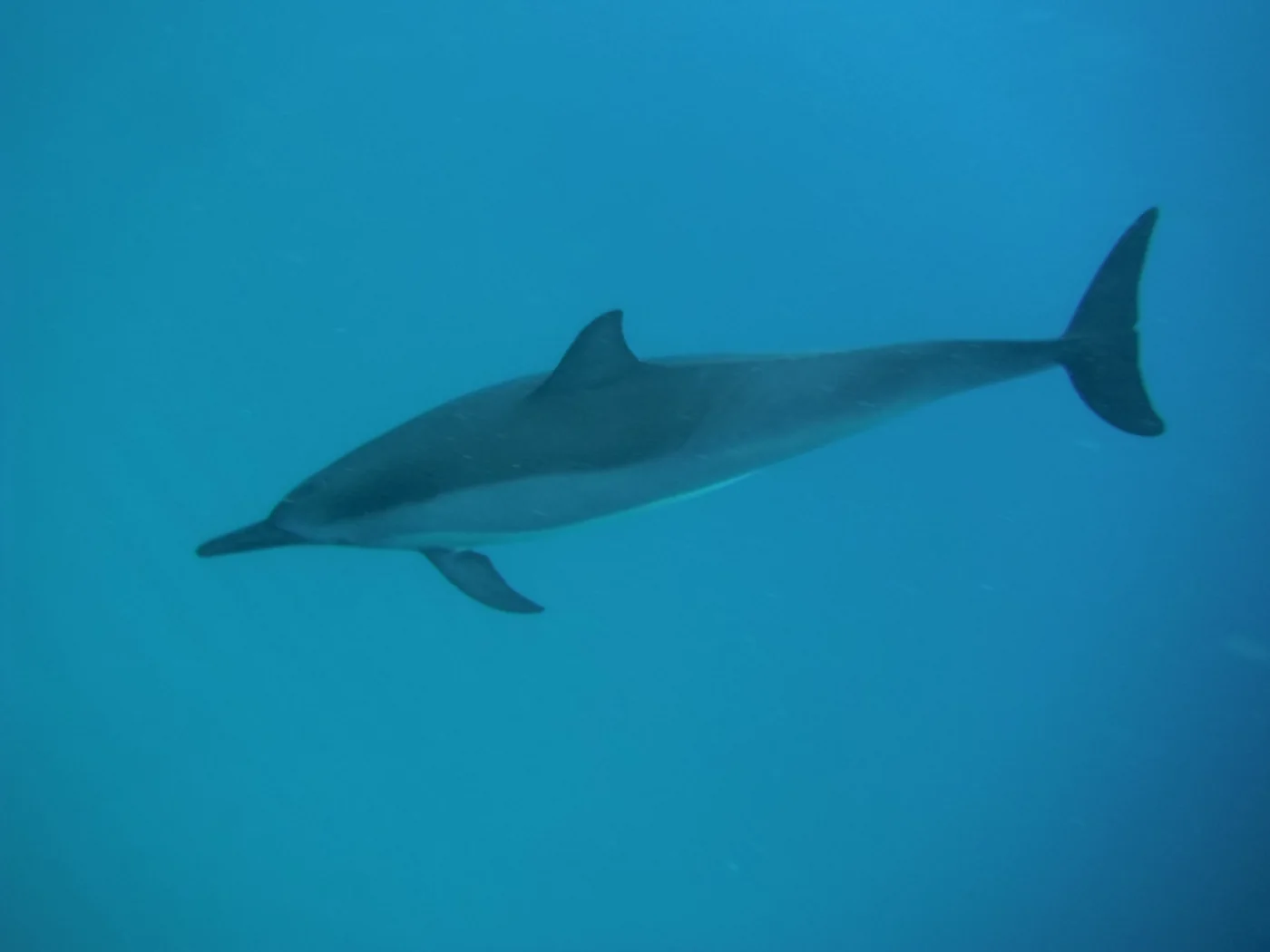
Mauritius Dolphin and Whale Watching Guidelines
The most useful preparation happens before you step aboard. These Mauritius dolphin and whale watching guidelines explain what responsible observation involves, how swimming differs, and which questions help you choose.
Choose your approachA dolphin outing can mean watching from a catamaran, paddling with a guide, or entering the water from a speedboat. Those choices involve different demands on you and different responsibilities around the animals.
Start with the distinction between observation and swimming. Then ask how the operator puts its approach into practice, rather than relying on a reassuring label alone.
Watching and swimming are different activities
The Tourism Authority distinguishes watching from a boat from watching combined with dolphin swimming. A swimming activity needs the appropriate licence, a qualified skipper and additional safety provisions, including a life-saver and equipment.
That distinction does not extend to whale swimming. Recreational swimming, diving and snorkelling with whales are prohibited. The Authority reiterated this in its July 2024 communiqué. A combined dolphin-and-whale ticket should therefore mean dolphin activity and whale observation from the boat.
Give the animals room to move
The regulations set boat exclusion distances of 50 metres from dolphins and 100 metres from whales. Within the surrounding regulated areas, boats must use a no-wake speed. Approaches should be from the side, following a parallel course.
Feeding, touching, circling animals and approaching head-on or from behind are prohibited. A worthwhile question is how a skipper responds when animals move away or several boats gather. Ask about the practice on the day, rather than taking “eco-friendly” as proof of certification.
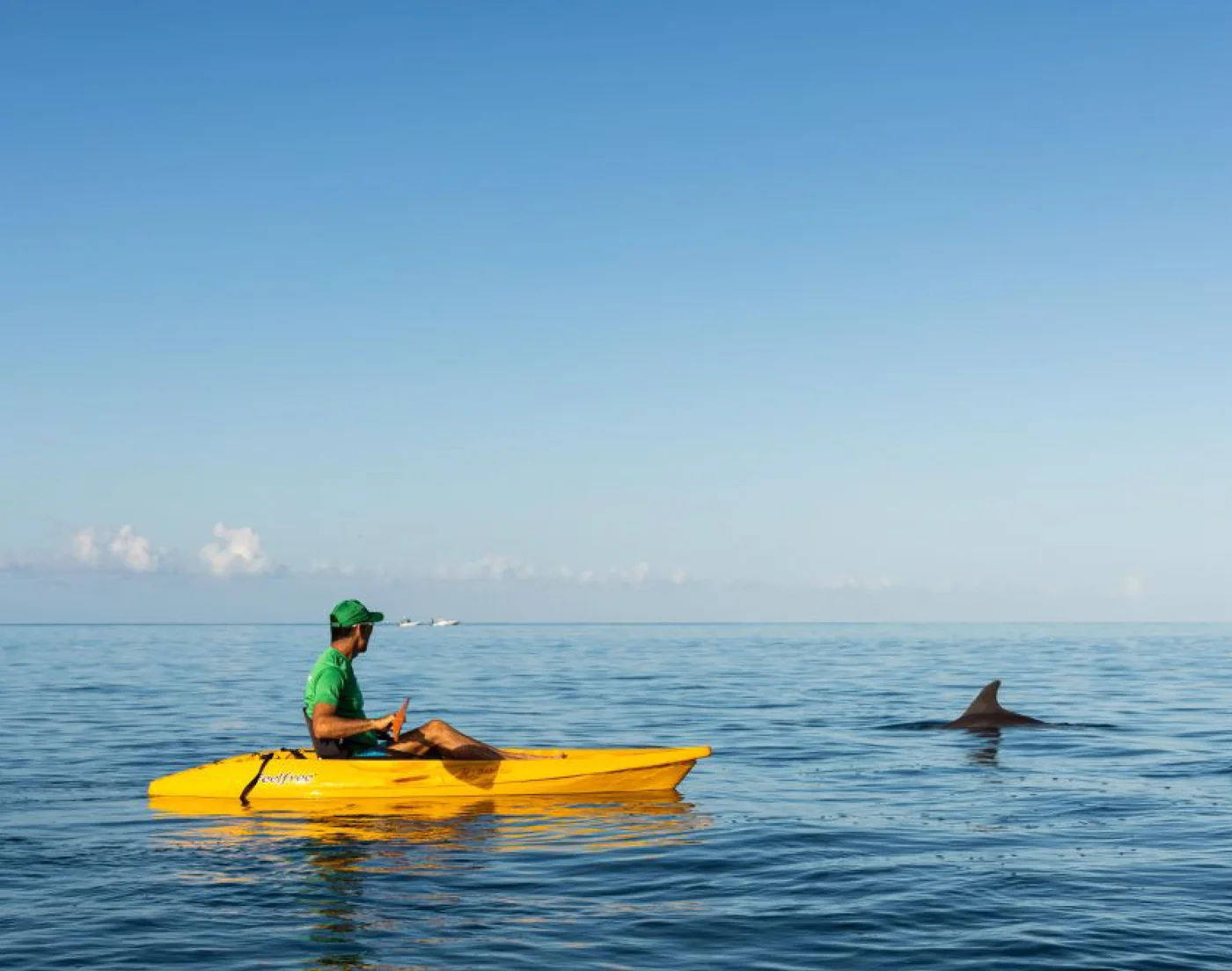
A guided kayak offers another way to observe from the water. It still requires suitable conditions and the right fit for the paddler.
Plan the wildlife activity for the morning
The principal regulations set a 06:00-to-noon window for paid dolphin and whale watching unless the Authority gives written authorisation otherwise. A separate December 2012 amendment extended the dolphin-swimming cutoff from 09:00 to noon too.
A longer trip can continue with other activities after the wildlife part. Ask how a full-day cruise separates the dolphin search from later lagoon, lunch or island time. A trip’s overall duration alone does not tell you when wildlife activity takes place.
A framework that may change
On 14 October 2026, the Government Information Service announced enforcement measures and plans for stricter requirements. The announcement describes further amendments as forthcoming. Check the Tourism Authority’s latest published rules before relying on exact operating requirements.
Choose an approach you can enjoy
Watching from a catamaran makes the dolphin search one part of a longer coastal day. Lagoon snorkelling is a separate choice, and the recommended cruise continues to island time. This may suit someone who wants observation to remain central.
The guided Tamarin kayak uses a non-motorised approach, but it is still an active outing. Its restrictions include non-swimmers, children under 12, people over 65 and people over 100 kg. Check the full eligibility conditions rather than assuming that a quiet boat means an effortless activity.
Speedboat dolphin swimming can involve repeated entries into open water. Ask how the crew organises water time, who supervises, and what participation requires. For a trip with whales as well, keep the combined outing’s boat-observation phase distinct from dolphin swimming.
Ask useful questions before paying
- Which option am I choosing? Confirm shared or private use, pickup coverage and what the displayed starting price includes.
- Who supervises the water activity? Ask about the briefing, life-saver, life jackets and the operator’s requirements for swimmers.
- How is wildlife approached? Ask how distance, speed and water entries are managed when animals move or other boats arrive.
- What happens if conditions change? Read weather, cancellation and no-sighting terms separately. A free cancellation policy does not automatically promise a refund if animals are absent.
- Where and when do I meet? Use your booking confirmation and option-specific instructions. Different operators and departure points have different arrangements.
Leave room for an uncertain encounter
Wild animals determine whether they appear. So do the conditions in which a boat can operate. A sighting estimate from one operator is not a guarantee for your trip, and another traveller’s photographs do not establish what you will see.
Think about what else you would enjoy: being on the coast, a guided paddle, a reef stop or an island lunch. Choose the outing whose whole day appeals to you, while allowing the wildlife to remain wild.
Further reading
Find an outing that fits your approach
Now choose the kind of time on the water you want, with the activity and practical details clear before you book.